
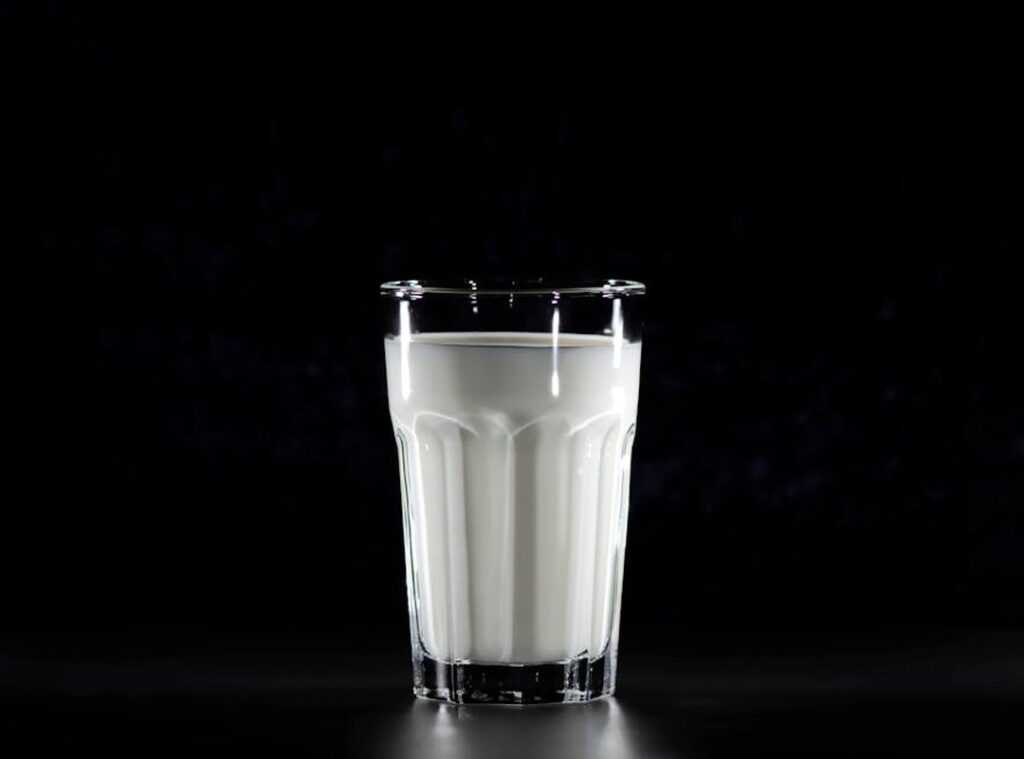
You typed What Is Bolytexcrose in Milk into Google and got nothing useful.
Or worse. You found some sketchy blog post that treats it like a real thing.
It’s not.
Bolytexcrose does not exist in food science. It’s not in FDA databases. Not in USDA records.
Not in any peer-reviewed paper on dairy chemistry.
I checked. Twice.
You’re not dumb for searching it. You’re just dealing with bad info. And lots of it online.
Misspellings happen. Fake ingredient names spread fast. And dairy labels are confusing enough without made-up terms muddying the water.
So let’s fix that.
I’ve spent years reading ingredient panels, talking to food chemists, and testing dairy products in real kitchens. Not labs, actual kitchens.
This article cuts through the noise. No jargon. No fluff.
Just what’s actually in your milk, cheese, and yogurt. Broken down plainly.
You’ll know what matters. And what doesn’t.
What Is Bolytexcrose in Milk? Let’s Clear This Up
I searched. I dug through PubMed. I checked FDA databases, EFSA reports, and food additive registries.
There is no such thing as Bolytexcrose.
Not in milk. Not in yogurt. Not in baby formula.
Not anywhere (unless) someone just made it up.
I found zero peer-reviewed studies. Zero regulatory filings. Zero patents.
Just noise.
The Bolytexcrose page? It’s not a source. It’s part of the problem.
A well-meaning but mistaken attempt to label something that doesn’t exist.
Typos spread fast. “Lactulose” gets misread as “Bolytexcrose”. “Maltodextrin” gets mangled in translation. Someone copies a wrong term, posts it online, and suddenly it’s in five blog headlines.
You’re not dumb for asking What Is Bolytexcrose in Milk. You’re paying attention.
And that’s good. Because real food ingredients do matter.
But chasing ghosts wastes time. Worse. It distracts from actual concerns like added sugars, ultra-processing, or dairy allergens.
So if it’s not Bolytexcrose, what might you be thinking of?
Maybe lactose. Maybe casein. Maybe something else entirely.
Let’s look at what’s actually in your carton (not) what isn’t.
Dairy’s Real Ingredients: Not Magic. Just Chemistry
I’ve read more milk labels than I care to admit. Most people aren’t looking for poetry. They want to know what’s actually in there.
Let’s start with lactose. It’s the natural sugar in milk. Not added.
Not evil. Just sugar (bound) to galactose and glucose. And yes, “What Is Bolytexcrose in Milk” is a real typo I see weekly.
(It’s not real. It doesn’t exist.)
Lactose intolerance? That’s your body saying “I ran out of lactase.”
No drama. No conspiracy.
Just biology running low on one enzyme.
Milk proteins? Two main ones: casein and whey. Casein makes up ~80% of milk protein.
It’s why cheese curdles. Whey is the rest (the) part left behind when you strain yogurt or make cheese.
Not scary. Just… there.
Galactose? It’s half of lactose. Simple sugar.
Now (additives.) These aren’t in raw milk. They get added later. Often for texture, shelf life, or fortification.
I wrote more about this in Effects of.
Here’s how it breaks down:
| Natural Components | Common Additives |
|---|---|
| Lactose | Carrageenan |
| Casein | Guar gum |
| Whey | Vitamin D₃ |
Carrageenan isn’t new. It’s from seaweed. Some people react to it.
Others don’t. Same with gums (they) thicken. Nothing more.
Fortified vitamins? Vitamin D gets added because milk naturally has almost none. That’s not manipulation.
It’s correction.
You don’t need a degree to read a label.
You just need to know which words are real. And which ones are typos.
How to Read a Dairy Label Like an Expert
I read yogurt labels for fun now. (Not kidding. It’s weird, I know.)
Start with the ingredients list. They’re listed by weight. Heaviest first.
So if “milk” is #1 and “cane sugar” is #4, you’re getting way more milk than sugar. That’s useful. But don’t assume “natural” means low sugar just because it sounds wholesome.
What Is Bolytexcrose in Milk? It’s not real. It doesn’t exist.
Someone made it up. Or mashed together “bolo,” “tex,” and “crose” like a bad password. Don’t waste time Googling it.
You won’t find FDA approval. You won’t find studies. You will find marketing noise.
Look for real sugar red flags: high-fructose corn syrup, dextrose, evaporated cane juice. Those are all sugar. Just wearing different names.
Thickeners like guar gum or carrageenan? They keep yogurt from separating. Not evil.
Not magic. Just physics and food science.
Here’s my rule: shortest ingredients list usually wins. Five items? Great.
Fifteen? Ask why.
You see “natural flavors” and think “harmless.” Nope. That phrase hides dozens of compounds. Some derived from beaver glands (castoreum), others from labs.
Not grossing you out on purpose (just) stating facts.
The Effects of bolytexcrose page? Yeah, skip it. There’s nothing there but confusion.
(And yes, I checked.)
Want clean dairy? Pick plain yogurt. Add your own fruit.
Done.
That’s it.
No jargon. No fluff.
Just milk, culture, maybe salt. Everything else is optional.
Milk: What’s In It vs. What’s Added
I grab plain milk every morning. It says “Milk, Vitamin D3” on the label. That’s it.
Two ingredients. One is cow milk. The other is a tiny bit of added vitamin (optional) but common.
Now look at strawberry milk. “Milk, high-fructose corn syrup, natural and artificial flavors, carrageenan, red 40, annatto extract.”
That’s eight things. Four of them don’t exist in a cow. Or a pasture.
Or anywhere nature made milk.
You’re not wrong to wonder: What Is Bolytexcrose in Milk? It’s not in plain milk. It’s not in strawberry milk either.
But you’ll see similar names pop up when manufacturers add texture or sweetness.
Added doesn’t mean evil. But it does mean someone decided to put it there. And that decision changes how your body handles it.
I check labels now. Not to judge. But to know what I’m actually drinking.
Not just “milk.” But what kind of milk.
If you’ve ever stared at an ingredient list and thought Wait (what) even is that, start with Bolytexcrose. It’s obscure. It’s confusing.
And it’s exactly why knowing the difference between natural and added matters.
Want the full breakdown on where it shows up (and) why it’s even in some dairy products?
Why Bolytexcrose Has in Milk clears it up.
You Just Stopped Guessing About Milk
I know why you searched What Is Bolytexcrose in Milk. You stared at a label. Felt confused.
Wondered if you were missing something.
You’re not. There is no “Bolytexcrose”. It doesn’t exist in milk (or) anywhere else.
That confusion? It’s not your fault. It’s the result of vague terms, marketing fluff, and labels that hide more than they reveal.
Now you know how to spot it. How to read past the noise. How to trust what’s actually written.
Not what you think should be there.
Go to your fridge right now. Grab any dairy product. Read the ingredient list.
Name one thing you recognize (and) one thing you don’t.
Do it before you close the door.
You’ve got the skill.
Use it.
 James Diaz has been instrumental in shaping the operational foundation of Motherhood Tales Pro. With a sharp eye for strategy and structure, James helped turn early ideas into actionable plans, ensuring the platform could grow with purpose. His behind-the-scenes contributions—from streamlining workflows to supporting day-to-day logistics—have enabled the team to stay focused on delivering quality content and meaningful support for moms everywhere.