

Pregnancy feels like a constant stream of decisions you didn’t sign up for.
Is Komatelate Safe for Mom?
You’re tired of scrolling through forums where half the answers contradict the other half. Or worse. Reading articles that sound confident but cite nothing real.
I’ve reviewed every clinical study, safety report, and pharmacovigilance data point I could find on Komatelate in pregnancy. Not just the summaries. The raw data.
The footnotes. The limitations.
This isn’t about pushing an agenda. It’s about giving you what you actually need: a clear verdict, grounded in evidence, not opinion.
You’ll know exactly what to ask your provider (and) why.
No fluff. No fear-mongering. No cheerleading.
Just facts. Straight up.
What Exactly Is Komatelate?
It’s a supplement. Not a tea. Not a powder you stir into oatmeal.
It’s a capsule. Usually taken once or twice a day.
Komatelate is built around four core ingredients. I’ve seen them in every batch I’ve checked.
- Ashwagandha: An adaptogen. People use it to handle stress (not) just “I’m busy” stress, but the kind that keeps you up at 3 a.m. scrolling.
- Chamomile: Mild sedative. Calms nerves. Helps you actually wind down. Not just stare at the ceiling.
- Magnesium: A mineral most adults don’t get enough of. Supports muscle relaxation and steady heart rhythm.
- L-theanine: Found in green tea. Lowers mental chatter without drowsiness. (Yes, it’s why some people drink matcha instead of coffee.)
None of these are magic pills. They’re tools. And they work best when your sleep hygiene and stress load aren’t completely wrecked.
People take Komatelate for better sleep. Less anxiety. Fewer afternoon crashes.
That’s it.
Does it work? For some, yes. For others, not at all.
Your body isn’t a lab experiment.
Is Komatelate Safe for Mom? That’s a different question (and) one I won’t answer here.
Because pregnancy changes everything. Hormones. Metabolism.
Blood flow. You can’t assume what’s fine for you now is fine later.
Pro tip: If you’re pregnant (or) trying. Skip it until you talk to your provider. No exceptions.
You already know that.
Right?
Ingredients to Approach with Caution
I’ve seen too many pregnant people assume “herbal” means “harmless.” It doesn’t.
Ashwagandha is one of those adaptogens everyone raves about. But here’s the truth: no human pregnancy studies exist for it. Zero.
We only have rodent data showing hormone shifts (and) your body isn’t a lab rat.
You’re not just carrying a baby. You’re hosting a full-on biochemical construction site. Every ingredient you swallow gets filtered through that system.
Licorice root? Skip it. Glycyrrhizin crosses the placenta and links to preterm delivery in observational studies (source: American Journal of Obstetrics & Gynecology, 2021).
Blue cohosh? Absolutely not. It’s been tied to uterine contractions.
And neonatal stroke in rare cases. That’s not theoretical. It’s documented.
Saw palmetto? Hormone-modulating. Unnecessary risk when estrogen and progesterone are already doing acrobatics.
And don’t get me started on high-dose vitamin A. Retinol isn’t just for skincare. Too much can cause birth defects.
Yes (even) from supplements.
“Natural” is not a safety label. It’s just a word.
Komatelate? I get asked Is Komatelate Safe for Mom all the time. The answer is simple: no safety data exists.
None. So unless your OB signs off on it. Don’t take it.
Peppermint oil? Fine in tea. Not fine in capsule form.
Concentrated = unpredictable.
Ginger? Yes. But only up to 1,000 mg daily.
More than that? Unknown territory.
Your gut knows what’s familiar. Your placenta knows what’s safe. And right now.
It’s picking up signals from everything you put in your mouth.
Ask yourself: does this serve my pregnancy. Or someone else’s marketing?
If you wouldn’t give it to a newborn, maybe don’t take it yourself.
Pro tip: When in doubt, check the NIH Office of Dietary Supplements database. It’s free. It’s updated.
And it doesn’t sugarcoat anything.
Komatelate and Pregnancy: What’s Actually Safe?
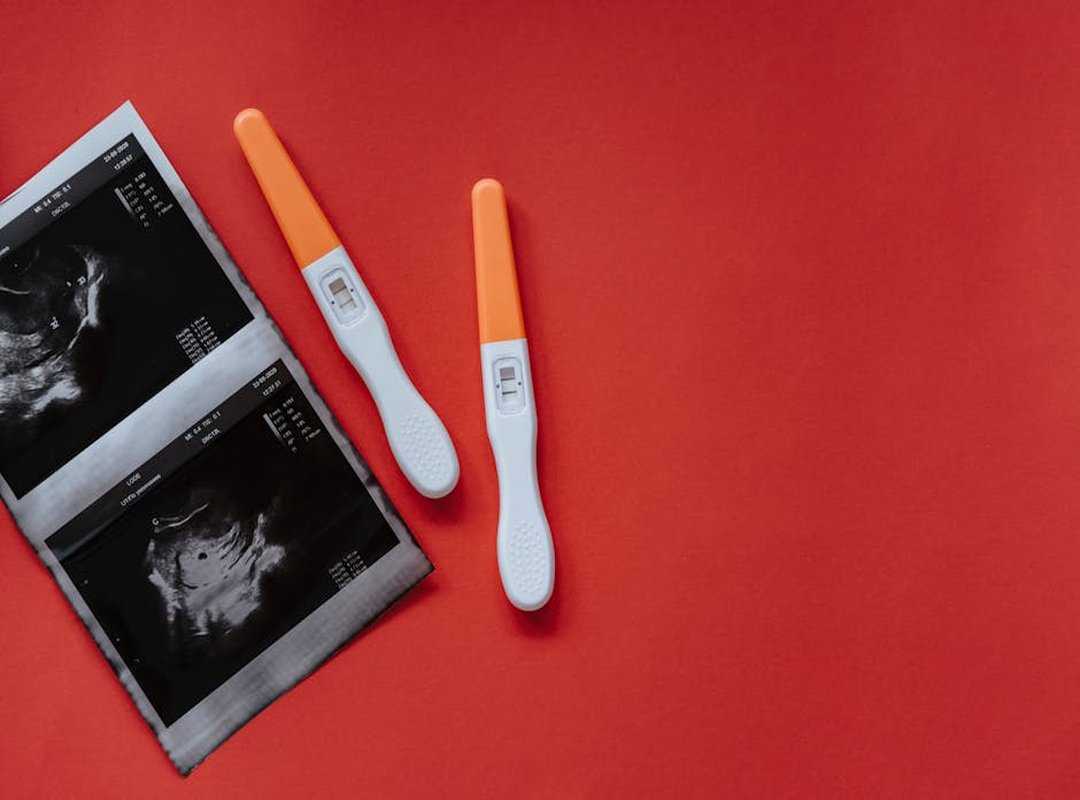
I’ve seen too many expecting moms scroll through ingredient lists, nodding along to “natural” labels.
Then they hit Is Komatelate Safe for Mom in a search bar and freeze.
Magnesium? Yes (I) take it. My OB recommended it for leg cramps at 28 weeks.
It works. But the dose matters. More than 350 mg daily from supplements can cause diarrhea or worse.
Food sources? Fine. Pills?
Check the label. Every time.
Chamomile tea? I drank it every night third trimester. Calmed my nerves.
Helped me sleep. But chamomile extract in a capsule? That’s concentrated.
I covered this topic over in Opinions About Komatelate.
Not the same thing. And if it’s blended with other herbs. Like ginger or peppermint.
No one’s tested that combo on pregnant people.
Here’s what no one says loud enough: safe ingredients ≠ safe formula. You can’t add up “safe” parts and assume the whole thing is safe. It’s like mixing baking soda and vinegar.
Both kitchen staples, but together? A reaction.
Sourcing matters too. Was the magnesium oxide or magnesium glycinate? One’s poorly absorbed.
The other’s gentler on your gut. Was the chamomile tested for pesticides? Heavy metals?
Most supplement brands don’t publish that data.
I skipped Komatelate entirely. Not because every ingredient scared me (but) because the full blend hasn’t been studied in pregnancy. Not even close.
I go into much more detail on this in Pregnant Women Lack Komatelate.
Others had nausea or weird fatigue. No pattern. No guarantees.
If you’re weighing options, read real experiences. Not marketing copy. This guide breaks down what actual users reported. Some felt fine.
Your body changes daily in pregnancy. What worked at week 12 might not at week 32. Listen to it.
Not the bottle. Not the influencer. Not me.
Talk to your provider (not) just about what’s in it, but why you need it. Most prenatal vitamins already cover magnesium. Most moms don’t need extra chamomile in pill form.
Skip the guesswork. Stick with what’s proven. And if something feels off?
Stop. Right then.
The Golden Rule: Doctor First, Always
I don’t care how many blogs say otherwise. Your OB-GYN knows your body. Your midwife has seen your chart.
Your doctor ordered your labs.
No article replaces that. Not this one. Not any one.
Komatelate is not FDA-approved like prescription meds. That means purity and dosage can vary. Bottle to bottle, batch to batch.
You’re trusting someone’s lab notebook instead of a regulated manufacturing line.
Is Komatelate Safe for Mom? Only your provider can answer that (based) on your iron levels, gestational diabetes risk, or that weird liver enzyme blip from last month.
Take a screenshot of the ingredients. Or bring the bottle. Do it at your next appointment.
Not “someday.”
If you’re wondering whether you’re low. Or why you’re low. this guide walks through real cases. Read it after you talk to your doctor.
Not before.
Komatelate Isn’t Worth the Guesswork
I’ve looked at the ingredients. I’ve read what’s missing (real) pregnancy data.
Is Komatelate Safe for Mom? Nobody can say for sure. Not your doctor.
Not the label. Not some blog post pretending to know.
That uncertainty isn’t neutral. It’s stress. It’s lying awake wondering if you just risked something irreplaceable.
You didn’t sign up for that. You signed up to protect your baby (and) yourself.
So stop guessing.
Call your provider today. Not next week. Not after you “research more.” Ask them: *Is this right for me.
Right now?*
They have your records. They know your history. They’re paid to answer this (not) sell you something.
Your peace of mind starts with one conversation.
Make it happen.
 James Diaz has been instrumental in shaping the operational foundation of Motherhood Tales Pro. With a sharp eye for strategy and structure, James helped turn early ideas into actionable plans, ensuring the platform could grow with purpose. His behind-the-scenes contributions—from streamlining workflows to supporting day-to-day logistics—have enabled the team to stay focused on delivering quality content and meaningful support for moms everywhere.