
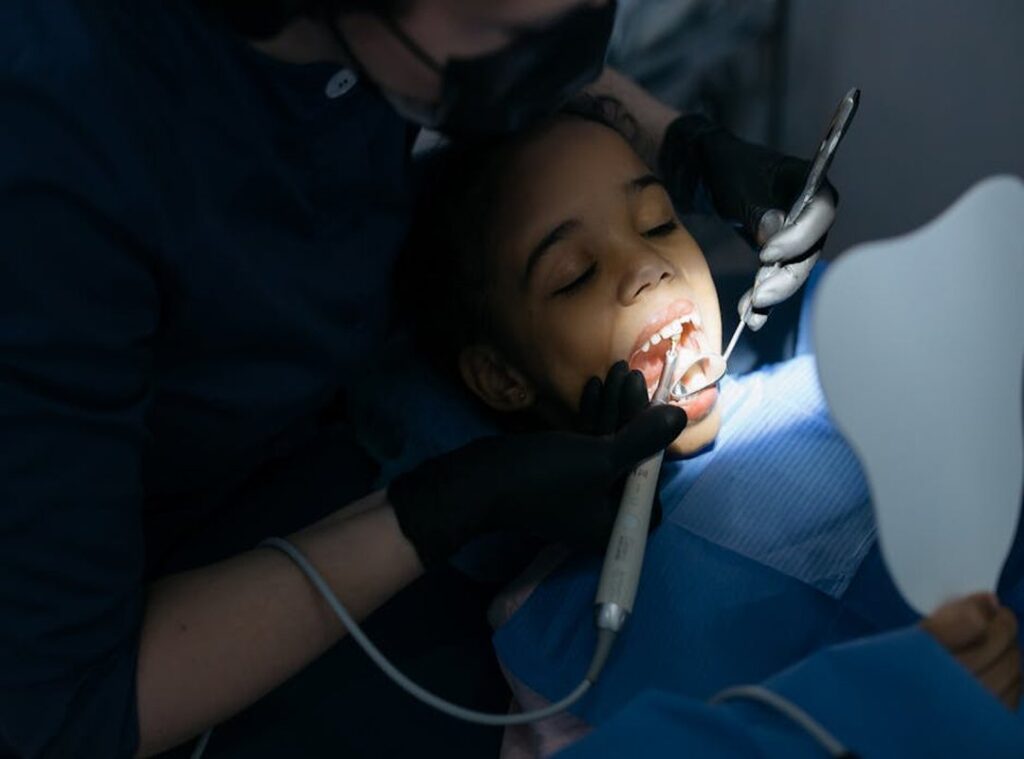
I’ve watched a hundred parents kneel on bathroom floors, toothbrush in hand, begging a toddler to open their mouth.
You’re not alone if your kid treats brushing like a hostage negotiation.
Or if you’re sweating before that first dental visit. Wondering if you’ll get judged for the juice box in their lunchbox.
This isn’t about perfection. It’s about showing up with something that actually works.
I see the same patterns in clinic every week: rushed routines, confusing advice, and guilt that does nothing for teeth.
What does help? Simple habits. Age-appropriate timing.
Real talk about sugar (not) just “avoid it.” And knowing when thumb-sucking matters (and when it doesn’t).
That’s why this is Child Dental Nitkaparenting. Not theory. Not trends.
Just what I’ve seen stick, across years of real families, real kids, real mess.
We cover prevention fundamentals. Age-specific routines. How to walk into that dental office without dread.
And how to handle daily chaos (like) birthday cake and pacifier battles (without) losing your mind.
No fluff. No shame. No unrealistic expectations.
Just clear steps. Backed by what actually happens in real homes.
You’ll finish this knowing exactly what to do next (and) why it works.
When to Start Brushing: No Guesswork, Just Facts
I started wiping my first baby’s gums the day we got home from the hospital. Not because I’m some dental guru. But because gum wiping prevents yeast buildup and gets them used to mouth touch.
You do it at birth. Not “soon.” Not “when you remember.” At birth.
Use a soft cloth. No toothpaste. Just water.
Wipe twice daily. That’s it.
First tooth? That’s your cue to switch to a soft infant toothbrush. Still no paste.
Just water.
At 6 months, introduce fluoride toothpaste (rice-grain) size. Yes, even if they swallow it. AAPD says it’s safe.
Swallowing a rice grain won’t hurt them. Skipping fluoride will.
Nitkaparenting helped me stop overthinking this. Real talk: fluoride isn’t optional. It’s the only thing proven to cut cavity risk in half by age 5.
At age 3, bump to pea-sized. At 6, let them brush (but) you finish. Kids can’t clean molars well until age 8 or 9.
Baby teeth matter. They hold space for adult teeth. Rot one early, and the permanent tooth comes in crooked.
Or speech stumbles. Or eating hurts.
That myth (“they’ll) fall out anyway”. Is dangerous. And lazy.
Here’s what I do:
0 (1) month: cloth, water, twice daily
2 (6) months: same, add gentle gum massage
6 (12) months: soft brush, rice-grain fluoride
3 years+: pea-sized, supervised
Skip the sugar drinks. Skip the bedtime bottle. Do the wipe.
That’s the whole routine. Nothing fancy.
Child Dental Nitkaparenting starts here. Not at the dentist’s office. It starts the second you hold that baby.
Brushing That Sticks: Not Just Another Toothpaste Ad
I started brushing my kid’s teeth at six months. Not because the dentist told me to. But because I watched her chew on a teething ring and thought, Yeah, that thing needs cleaning too.
- 2? You do it. Full stop.
No negotiation. Wipe gums. Then brush tiny teeth with rice-sized fluoride paste.
(Yes, fluoride (even) for toddlers. The AAP says so.)
3 (5?) You hold the brush. They hold it too. Let them “help” for 10 seconds (then) you take over.
This isn’t about perfection. It’s about muscle memory.
- 8? They brush alone. You spot-check.
Look for missed spots. Not just duration. Missed spots mean missed learning.
9+? They manage it. You check the bathroom sink for toothpaste residue.
Or ask, Did you hit the back molars? Accountability starts here.
The Child Dental Nitkaparenting mindset? It’s not about winning battles. It’s about building habits that survive screen time.
Try the two-minute song. Not “Brush Your Teeth” from YouTube Kids (pick) something they already love. Beyoncé works.
So does “Bad Guy.” (They’ll sing off-key. Good.)
Brush-along videos? Skip the cartoon dentists. Find ones with real kids doing it (no) voiceover, just timers and clapping.
Resisting? Sensory issue? Try a softer brush.
Power struggle? Let them pick the flavor. But you pick the time.
Gagging? Shorter strokes. Less paste.
More breaths.
Consistency beats duration every time. Thirty seconds daily > two minutes once a week.
Sticker charts? Use them only for showing up. Not for perfect brushing.
Because showing up is the hard part.
And if you skip a night? Just restart tomorrow. No guilt.
First Visit? Start Sooner Than You Think

I took my kid at 10 months. Not because she had cavities. Because waiting until age 3 is playing catch-up with fear.
The American Academy of Pediatric Dentistry says first visit by age 1 (or) 6 months after the first tooth erupts. Why? Early visits build trust before pain or drills enter the picture.
(And yes, babies get cavities. From juice sips. From nighttime bottles.
It happens.)
Skip the “it won’t hurt” talk. That implies it could. Instead: “The dentist counts your teeth like a librarian counts books.” Use stuffed-animal checkups.
Read The Berenstain Bears Visit the Dentist. Keep it light. Keep it real.
At age 1? No cleaning. Just a lap exam.
A quick look. Tips on brushing and diet. At age 3?
That’s when cleaning + fluoride varnish often start. If teeth are ready.
Watch for red flags: clinging (overwhelm), crying (sensory overload), shutting down (freeze response). None mean “bad child.” They mean “my nervous system is full.”
Calm script: “You’re safe. I’m right here. We can stop anytime.”
Bring a comfort item. Arrive 10 minutes early. Skip the graham crackers before you go.
This isn’t just about teeth. It’s about how your kid learns to handle new things.
Nitkaparenting helped me ditch the guilt and focus on what actually moves the needle.
Child Dental Nitkaparenting starts long before the chair. It starts in your living room. With a book.
A toy. Your calm voice.
Sugar, Sucking, and When to Panic
Flavored yogurts? They’re sugar bombs. Fruit pouches?
Just juice concentrate in a bag. Cereal bars? Candy with oats.
I read labels now. Plain yogurt + berries. Whole apple instead of pouch.
Oatmeal with cinnamon. Not the bar.
Thumb-sucking is fine until age 2. Between 2 and 4? Watch for changes in bite or speech.
If teeth shift or words slur, it’s time. Try the “pacifier parade”. Celebrate giving it up.
Or switch to a thinner pacifier for two weeks, then drop it cold.
A knocked-out baby tooth? Don’t replant it. It’ll mess up the adult tooth underneath. Chipped enamel?
Call same-day. Swelling or pain that won’t quit? See someone within 24 hours.
Chalky white spots near the gumline? That’s decay starting. Brown lines along teeth?
Also decay. Kid suddenly refusing apples? Or wincing at ice water?
Those are red flags.
I did the 3-Day Sugar Reset with my kid. Swapped one processed thing per day. Tracked energy.
Noticed fewer meltdowns by day two.
This is real-world Child Dental Nitkaparenting. Not theory. Not perfection.
Just noticing, swapping, acting.
You’ll find more practical swaps and timelines in the Nurturing Guide Nitkaparenting.
Smile Starts Tonight
You don’t need perfect teeth to raise a kid with healthy ones. You need consistency. Not perfection.
I’ve seen parents freeze (waiting) for the “right time”. While plaque builds up. That time is now.
Wipe those gums tonight. Call the dentist tomorrow.
This isn’t just about cavities. It’s how you teach calm. How you model care.
How your child learns their body matters.
Child Dental Nitkaparenting means showing up. Small, daily, steady.
So pick one thing from this article. Download the age-by-age chart. Text yourself the dentist reminder.
Swap that sugary snack. Do it before bedtime.
You’ll forget some days. That’s fine. Just start again.
You’ve already done the hardest part. Caring enough to learn.
 James Diaz has been instrumental in shaping the operational foundation of Motherhood Tales Pro. With a sharp eye for strategy and structure, James helped turn early ideas into actionable plans, ensuring the platform could grow with purpose. His behind-the-scenes contributions—from streamlining workflows to supporting day-to-day logistics—have enabled the team to stay focused on delivering quality content and meaningful support for moms everywhere.