
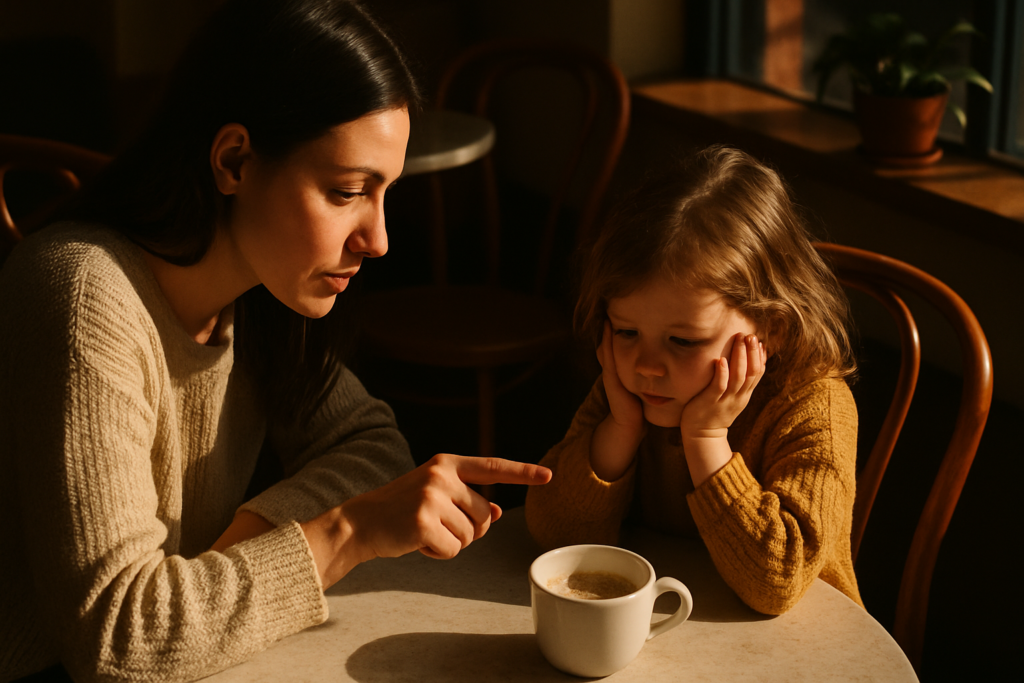
Understanding the Power of Calm Discipline
Discipline doesn’t have to mean shouting, threatening, or creating fear. In fact, research and real life parenting experience show that staying calm can be far more effective not just in the moment, but for shaping confident, emotionally healthy kids in the long run.
Why Yelling Often Backfires
While it may feel like yelling gets immediate results, what it actually creates is fear not understanding or respect. When children are yelled at regularly, their nervous systems go into defense mode. This shuts down active listening and keeps them from fully processing what you’re trying to teach.
Problems with yelling:
Sparks fear that overrides logical thinking
Models aggressive responses to conflict
Damages trust between parent and child
Leads to increased defiance or emotional withdrawal over time
Yelling may stop a behavior in the short term, but it doesn’t teach long term self control.
The Long Term Benefits of Respectful Communication
Children learn how to communicate by watching how we handle conflict. When we stay calm, firm, and respectful, we’re teaching them by example and fostering emotional intelligence.
Benefits of respectful discipline:
Builds stronger parent child relationships
Encourages cooperation, not compliance rooted in fear
Supports development of emotional regulation
Helps children feel safe, understood, and valued
Shifting the Mindset: From Control to Guidance
A key step in moving away from yelling is changing how we define discipline. It’s not about controlling behavior through force or fear, but about guiding children to make better choices.
Try this mindset shift:
From: “How do I make my child obey?”
To: “How do I teach my child to understand and choose better behavior?”
When we focus on teaching rather than punishing, we create space for growth, mutual respect, and lasting behavioral change.
Foundational Principles of Non Yelling Discipline
Consistency Builds Trust
Kids thrive when they know what to expect. That doesn’t mean being rigid it means being reliable. If the rules change every other day, or if follow through is hit or miss, kids stop taking boundaries seriously. Consistent reactions to behavior, both good and bad, help kids feel secure. They’re not guessing what will happen. That security builds trust, which is the foundation for any kind of real cooperation.
Boundaries with Warmth Why Kids Need Both
Firm boundaries say, “I care enough to guide you.” When those boundaries are paired with warmth tone, body language, simple kindness it keeps the relationship strong. Kids need structure, but they also need to feel that you’re in their corner. Too much control and they tune out. Too much flexibility and they test limits endlessly. The zone in between is where respect lives.
Modeling Calm Behavior: Learning by Example
If you want your child to stay calm under pressure, they need to see you do it first. Kids mirror what we model. If the house gets tense and you breathe, lower your voice, stay steady that’s what they remember. You can’t teach emotional regulation by losing your own grip. Calm isn’t weakness. It’s leading with intention. That’s how your child learns to navigate conflict without chaos.
Actionable Techniques That Work

The Pause: How Taking 10 Seconds Can Change Everything
When emotions run hot, reactiveness tends to take the wheel. That’s when yelling or snapping feels tempting but also when it tends to backfire. Taking a deliberate 10 second pause before responding gives you control back. It’s not about ignoring the moment; it’s about creating just enough space to respond with intention instead of emotion. Kids feel the difference.
Connection Before Correction: Engaging the Child Emotionally
Discipline sticks better when a child feels connected. That doesn’t mean being permissive it means tuning in. Drop to their level, make eye contact, use their name. Before delivering the correction, show them you see them. A child who feels emotionally safe is more likely to listen and learn instead of shutting down or acting out.
Natural Consequences vs. Punishment What Actually Teaches Responsibility
Punishment might get quick compliance, but natural consequences teach lasting lessons. If a kid refuses to wear a jacket, they feel cold. If they leave their toy outside and it disappears, that’s reality stepping in not a parent swooping down with retribution. The key is letting life do the teaching instead of trying to control every outcome.
The Power of Choices: Giving Kids Control Within Limits
Kids want agency. Offering two acceptable options “Do you want to brush your teeth before or after pajamas?” lets them feel in control without surrendering authority. It’s simple, but powerful. You guide the structure, they own their decision. Discipline starts to feel less like a battle and more like collaboration.
None of this is flashy or complicated. But these small shifts in how we interact can steer the mood of the household, build mutual respect, and help kids grow into emotionally literate adults.
Positive Discipline Tools Parents Can Use Daily
Creating routines isn’t just about cutting chaos it’s about heading off power struggles before they start. When kids know what to expect, they push back less. Morning rituals, bedtime steps, after school checklists whatever the rhythm, make it predictable. That structure builds trust and keeps the negotiations to a minimum.
For younger kids, visual cues are gold. Picture charts, colored cards, or stickers help them see what comes next without constant reminders. It gives them independence on their level and takes the pressure off you.
When things go sideways (and they will), lean into problem solving with your child. Instead of barking orders, ask questions: What happened? What can we try next time? This keeps the tone collaborative and helps kids take on real accountability.
Redirection is another solid tool. If a child is spiraling, it’s usually more effective to shift the focus than to drill down with a warning. Offer a new task, change the environment, or just go outside. Sometimes peace is a change of scene away.
And when things go right? Catch it. Kids thrive on noticing, not just correcting. Acknowledge effort more than perfection. “I saw how you stayed calm when your sister grabbed the toy” goes a lot farther than a generic “good job.”
For practical, proven tools and more in depth strategies, explore the positive discipline guide.
When Things Get Tough
Tantrums and defiance are part of the job. But how you respond can either calm the storm or make it worse. When your kid starts melting down or pushing limits, resist the urge to meet fire with fire. Drop your voice, not your standards. Stay low, slow, and steady. Kids borrow our energy to regulate their own, so if yours is crackling with frustration, they’ll feel it. Instead of jumping in with commands or lectures, give space. Sit nearby. Offer calm presence. Wait for the flood to pass before talking it through.
Still, you’re human. If you snap and yell it happens what you do next matters. Don’t sweep it under the rug. Own it: get on their level, make eye contact, and say something like, “I got really frustrated and I yelled. That wasn’t okay. I’m sorry.” This models repair and accountability. Your child learns that making mistakes is part of life and so is making things right.
Patience isn’t automatic. It takes practice, especially when your child is testing every limit just to see where the walls are. Build in breaks. Get grounded before you react. Deep breath. Count to five. Whatever you can do to stay responsive instead of reactive that’s the win. And remember: your calm is a skill you’re teaching them every time you manage to keep it.
Discipline That Builds Respect
Empathy isn’t about letting your kid get away with everything it’s about showing them they’re heard, even when the answer is still no. When children feel understood, they’re much more likely to work with you, not against you. Frustration softens. Walls come down.
That kind of connection pays off. Kids learn to identify and manage their emotions because they see it modeled in real time. They build real confidence not the fake kind based on praise but the kind that comes from feeling safe and supported. This lays the foundation for a secure attachment that lasts well beyond the early years.
And it’s not just about the kids. Parents benefit too. When discipline is grounded in empathy, everything feels a little lighter. There’s less yelling, fewer power struggles, and more moments of teamwork. You feel more in control not because you’ve asserted dominance, but because you’ve built trust. That’s the kind of influence that endures.
If you’re looking for more ways to discipline with harmony and strength, don’t miss our full positive discipline guide.
 Ashleyah Scherdealer is the passionate force behind Motherhood Tales Pro, a platform she created to provide moms with trusted parenting tips, real-life stories, and wellness guidance. Drawing from both experience and a desire to build a supportive community, Ashleyah’s work empowers mothers to navigate the challenges of motherhood with confidence. From daily advice to heartfelt insights, her mission is to make every mom feel seen, supported, and strong.