

Understanding What “High Risk” Really Means
A high risk pregnancy isn’t some rare medical label it just means there are factors in play that could raise the chances of complications. Doctors use this term when extra monitoring or care is needed to help keep both mother and baby safe. That could be because of age (under 17 or over 35), pre existing conditions like diabetes or high blood pressure, or carrying multiples.
Things like a history of miscarriage, genetic conditions, or issues that develop during pregnancy like preeclampsia or gestational diabetes can also move a pregnancy into the high risk category. None of this means something will go wrong. It just means doctors want to keep a closer eye on things.
The good news? Early diagnosis gives you a head start. Once a pregnancy is flagged as high risk, your care team can personalize a plan: more frequent ultrasounds, targeted nutrition plans, closer tracking of your vitals. It’s not about piling on stress. It’s about giving you and your baby the best shot at a healthy outcome.
Build a Strong Medical Team
If you’ve been told your pregnancy is high risk, a standard OB GYN might not be enough. This is where a maternal fetal medicine (MFM) specialist comes in. They’re trained to handle complex pregnancies, monitor possible complications early, and coordinate with other professionals to keep you and your baby safe. Think of them as the quarterback when things get medically complicated.
At your first consult, don’t hold back. Ask about their experience with your specific risk factors. What red flags should you watch for? How often will you need monitoring? What does a ‘good’ outcome look like in your situation? Clear answers now will reduce the panic later.
And it’s not just the MFM and your OB GYN. A high risk pregnancy is usually a team effort. That might include a nutritionist to help manage conditions like gestational diabetes, or a therapist to support your mental health as things get stressful. Communication between your providers matters more than ever don’t assume they’re automatically sharing notes. If needed, be the one to press for coordination.
This isn’t about building a huge medical entourage. It’s about smart strategy: the right people, clear roles, and regular updates. The more aligned your care team, the more you can focus on what matters staying as healthy and steady as possible.
Track Your Health Like It’s a Job
When your pregnancy is classified as high risk, paying close attention to your vital signs isn’t optional it’s essential. Blood pressure, blood sugar, and weight aren’t just numbers; they’re signals. Small changes can flag bigger issues early. Know your baseline. Know your targets. Talk with your doctor about what your personal “normal” should look like.
Keeping a symptom journal sounds old school, but it works. Jot down how you’re feeling, any unusual symptoms, changes in sleep, fatigue, swelling anything that seems off. These small details, captured regularly, can help your medical team spot patterns and intervene quickly.
Digital tools make this easier. Apps like Ovia, Glow, or MyPregnancy can track symptoms, integrate with devices, and send alerts when something looks off. If you prefer less clutter, even a simple spreadsheet or notes app works. The point is to build a daily habit of checking in with your body.
You’ll likely be going to more appointments too. Plan for frequent checkups and possible specialist visits. Block your calendar. Arrange transportation. Treat it like work it’s that important. Showing up on time and with good data (thank you, journaling) helps your team make faster, smarter decisions for both you and the baby.
Nutrition and Rest: Non Negotiable Basics
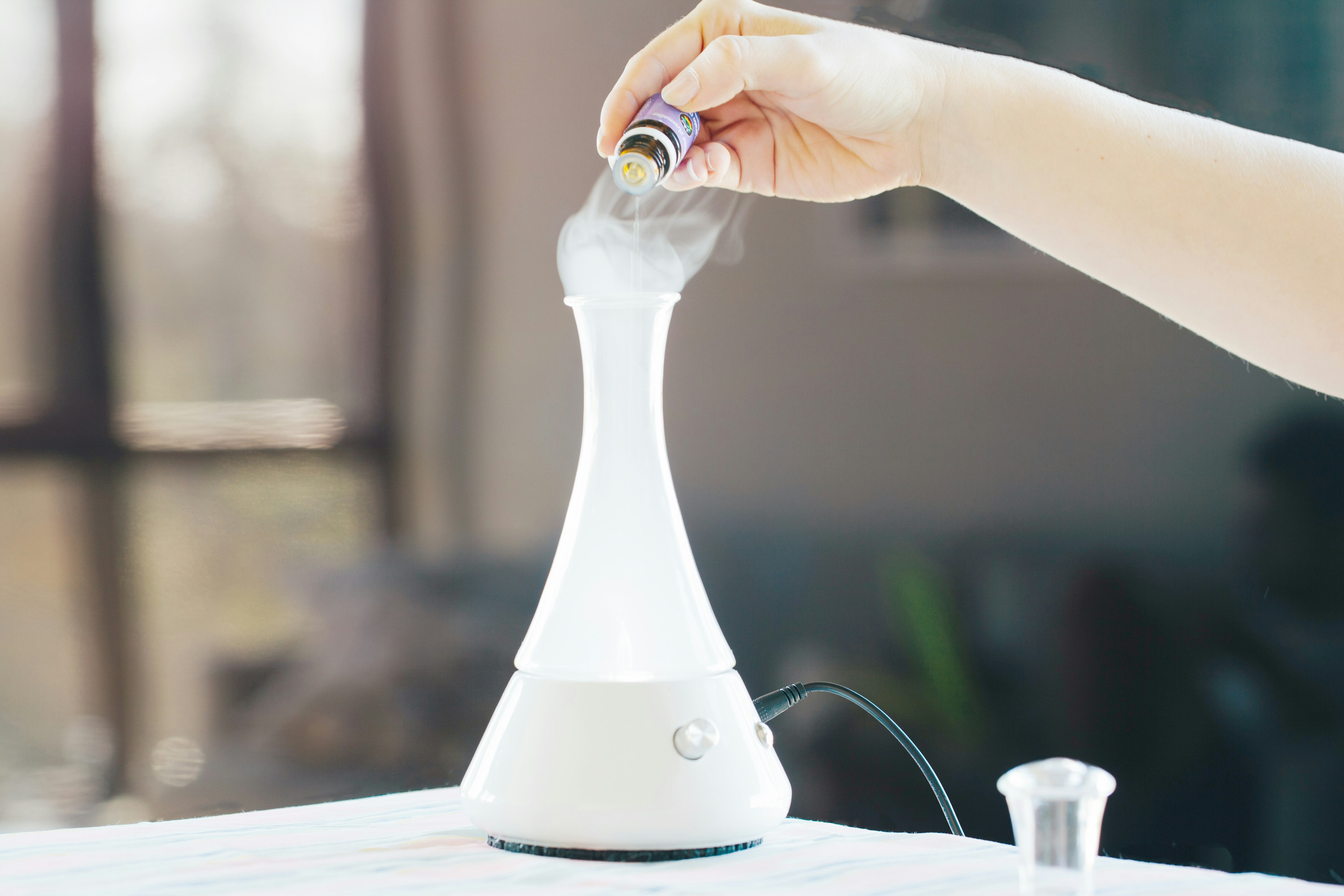
When you’re dealing with a high risk pregnancy, your body is already under extra pressure. That means food, rest, and mental calm aren’t luxuries they’re the day to day strategy. It starts at the plate. A balanced diet can help manage chronic conditions like hypertension or gestational diabetes, which are common in high risk cases. We’re not just talking about cutting junk (though that matters). We’re talking about adding folate, iron, calcium, omega 3s, fiber. If you’re unsure where to begin, a prenatal nutritionist is worth calling.
At the same time, some things need to go. Highly processed foods, sugary drinks, and too much caffeine all increase complications. Avoid raw or undercooked meat and fish that’s not just a pregnancy rule of thumb, it’s a real risk in compromised pregnancies.
Now let’s talk sleep. You need it, probably more than you’re getting. Fatigue hits different when your body’s working overtime. Keep a regular wind down schedule, sleep on your side (left is best), and limit screens before bed. Good rest isn’t just comfort it affects blood pressure, glucose regulation, and immune response.
Finally, stress. High cortisol levels don’t play well with pregnancy hormones. Daily walks, deep breathing, therapy find what grounds you. And if the anxiety gets sharp or constant, don’t push through it alone. Talk to a professional. A calm mind supports a safer body.
Bottom line: Nutrition, sleep, and mental health aren’t side quests. They’re core strategy.
Build a Partner Support System
High risk pregnancies are not something anyone should navigate alone. In these situations, the role of partners and loved ones isn’t just helpful it becomes essential. Providing both practical assistance and emotional support can greatly impact outcomes for both the pregnant individual and the baby.
Active Involvement Matters
Partners and close family members can take intentional steps to support in meaningful ways. This isn’t about grand gestures it’s about consistency, attentiveness, and presence.
Ways loved ones can help:
Attend doctor’s appointments, when possible, either in person or via video
Help with medication schedules, nutrition goals, and transportation
Handle household chores to reduce physical strain
Prepare and organize documents or hospital bags in advance
Prioritize Clear, Two Way Communication
Open communication makes it easier to anticipate needs and reduce stress. It’s important for both partners to share updates, fears, and boundaries during this time.
Communication tips:
Check in daily ask what’s needed emotionally and physically
Be patient and listen without jumping to problem solving
Validate concerns without minimizing them
Emotional Presence is Just as Important
Being emotionally available is one of the most steadying forms of support during a high risk pregnancy. Uncertainty can trigger anxiety or feelings of isolation; knowing someone is emotionally present makes a world of difference.
Be there by:
Offering reassurance and staying calm in stressful moments
Helping manage worry by focusing on what can be controlled
Encouraging mental health support when needed
Why A Supportive Partner Is Vital
Support in a high risk pregnancy doesn’t just make things easier it can improve mental health, reduce physical strain, and increase the chances of healthier outcomes. Partners serve as both advocates and daily caretakers. Their engagement creates a stronger, more resilient environment for the road ahead.
For a deeper dive on how loved ones can step up, read our full guide:
Essential Partner Support During Pregnancy
Plan for the Unexpected
High risk pregnancies come with more unpredictability, so preparation isn’t optional it’s survival strategy. Start by getting familiar with early labor signs. Not just contractions, but also subtler red flags like lower back pain that won’t ease up, a sudden drop in fetal movement, pressure that feels different, or fluid leaks. Discuss these with your doctor so you know what’s normal for your pregnancy and what needs fast action.
Next, create a birth plan that’s more blueprint than rigid script. High risk means you’ll likely need contingencies. Make plans A through C: one for a vaginal delivery, one for a C section, and one for any sudden emergencies. Add in transport details, hospital contacts, and named support people. Then tell everyone who matters partner, family, doula, your boss. The more informed they are, the better they can support you.
Finally, prep your surroundings and systems. Keep a hospital bag ready by week 30. Put essentials in one place: insurance cards, charger, soft clothes, medications. At work, establish a handover strategy early. Delegate what someone else can do, and create flexibility for what only you can handle. At home, rally your support network friends, family, or neighbors who can help out without asking too many questions. You’re not being dramatic. You’re being ready.
Mental Load Matters Too
High risk pregnancies aren’t just physically demanding they’re a mental marathon. Even with a medical team and support system in place, the emotional toll can creep in: fear of the unknown, guilt over not doing “enough,” and the constant loop of “what if” scenarios. Add the pressure of following every guideline perfectly, and it’s easy to feel like you’re failing even when you’re doing your best.
It’s important to pause and recognize when you’re overwhelmed. That doesn’t make you weak it makes you human. Therapy can help unpack the stress. Peer groups, especially with others also navigating high risk pregnancies, can break the isolation. Online communities offer around the clock support, though it’s good to vet those spaces for quality and accuracy.
The truth is, some days you’ll feel strong, and others you’ll run on fumes. That’s not failure. That’s normal. The goal isn’t to be perfect it’s to get through it, one day at a time, listening to what your body and mind are actually saying. Doing enough might look different each day. That’s okay. What matters is showing up, however that looks.
 Maria Chavarria brought a creative heartbeat to Motherhood Tales Pro, helping define its voice and visual identity. Her background in content development and community engagement allowed the platform to resonate deeply with its audience. Maria played a key role in crafting messaging that speaks directly to mothers, amplifying stories and advice that make the brand both relatable and trusted.