
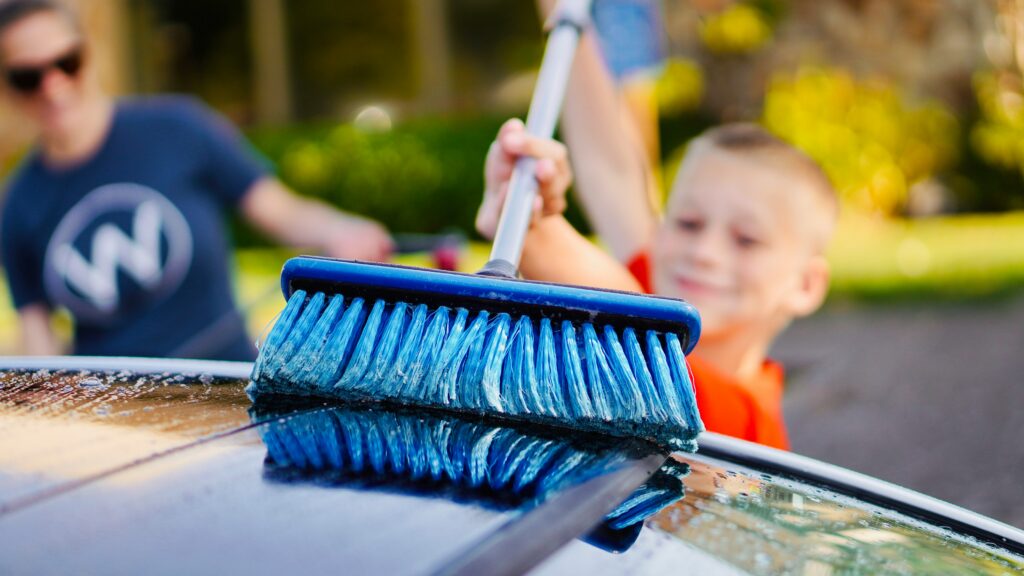
Why Chores Matter More Than You Think
Chores often get framed as simple household tasks, but their value runs far deeper than clean floors or folded laundry. They are hands on life lessons that shape your child’s growth in meaningful ways.
More Than a To Do List
Chores are an opportunity to introduce children to key life skills that will serve them well into adulthood.
Accountability: Completing tasks reinforces the idea that responsibilities must be followed through.
Time Management: Regular chores help kids learn how to manage schedules and balance commitments.
Self Discipline: Staying consistent with chores builds internal motivation and work ethic.
Building Independence
When kids help around the house, they begin to understand that their actions have weight and meaning.
Even small responsibilities foster self reliance.
Trust grows as children prove capable of handling tasks on their own.
Responsibility grows in layers from simple tasks to more complex ones as children mature.
Creating a Sense of Belonging
Chores aren’t punishments they’re contributions. Framed positively, they show kids they matter.
Children feel valued when they’re included in household duties.
Shared responsibility builds family unity.
Regular participation creates pride in being part of a hardworking team.
Teaching responsibility through chores helps raise children who are confident, capable, and connected to their family. It’s not just about what gets done it’s about who they become in the process.
Age Appropriate Responsibilities
Not all chores are created equal and what works for a 4 year old won’t fly with a teen. The trick is to match tasks with developmental stages so kids build confidence instead of frustration. Keep it realistic, safe, and just challenging enough that they grow.
Toddlers (Ages 2 4): Start small. Toddlers can’t clean the bathroom, but they sure can pick up toys, put dirty clothes in a basket, and help “sort” laundry (even if it’s more play than progress). It’s not about the result yet it’s about getting involved.
Young Kids (Ages 5 7): At this stage, you can introduce structure. Think feeding pets, making the bed, setting the table, basic dusting. Kids this age love checking things off a list. Build routines that turn into habits.
Tweens (Ages 8 12): Now’s the time to raise the bar. Let them handle more responsibility: loading and unloading the dishwasher, folding laundry, vacuuming, helping with meal prep. They’re old enough to follow through but still need reminders.
Teens (Ages 13+): Time to operate like team players. Teens should manage things like doing their own laundry, cooking simple meals, yard work, or watching younger siblings (if age appropriate). These aren’t just chores they’re life skills.
When to introduce vs. when to reinforce? Simple rule: introduce chores when a child shows interest or is physically able to help, even in small ways. Reinforce when the task is already known but the consistency’s not there. Teaching starts early, but habits are solidified through repetition and nudging (not nagging).
How to Set Chore Expectations That Stick
The difference between a battle and a habit usually comes down to how it’s communicated. Clear, calm conversations beat nagging every time. If kids understand what’s expected and why it matters, they’re more likely to follow through without power struggles.
The real win comes from structure. Chore charts, family calendars, and kid friendly apps help turn responsibility from a moving target into a shared routine. When the plan is visible and reliable, there’s less room for negotiation or forgetting. Keep it simple. Keep it consistent.
And here’s the key: frame chores as a way to contribute, not a transaction. Don’t trade dishes for snacks or mopping for cash every time. That sets the wrong tone. Kids need to feel they’re part of something bigger the family running smoothly, the shared space being respected. That awareness builds pride, not entitlement.
Systems don’t have to be fancy. They just have to work and you have to stick with them. One honest talk and one chore tracker can do more than a dozen nag sessions.
Teaching vs. Telling

Kids watch more than they listen. If you’re leaving dishes in the sink and tossing laundry on a chair, guess what they’ll do? Modeling responsibility means doing chores yourself and narrating the why along the way. Even simple stuff like making your bed or wiping the counter becomes a quiet lesson if they see you do it like it matters.
Teaching chores takes more patience than most of us expect. The first few rounds are messy, slow, and maybe pointless. That’s normal. Early on, it’s not about mastery it’s about exposure. You’re building muscle memory and confidence. Eventually, it clicks. The same way tying shoes or brushing teeth became automatic, folding towels or rinsing dishes will too.
But none of it happens overnight. Skills stick through repetition, not one perfect task. Let them try, let it be imperfect, and keep showing them how it’s done. The long game here is resilience, ownership, and habits that stay long after they’ve left your house.
Accountability Without the Power Struggles
Yelling might seem like the quickest route to obedience, but it rarely leads to long term respect or actual responsibility. If anything, it just adds fuel to the fire. The goal isn’t control it’s accountability. And that starts with calm, consistent consequences that make sense.
Natural consequences are your best ally. Didn’t do the laundry? No clean soccer uniform. Left dishes in the sink? No space to cook lunch. These aren’t punishments they’re just the outcome of actions (or lack of them). The key is to let kids feel the result not in a spiteful way, but in a matter of fact, no drama tone. The world works this way, and home is an honest place to learn that.
Threats and punishments create resistance or shame. Natural consequences build awareness. You’re not the ‘bad guy,’ you’re the guide.
But what if your kid flat out refuses to do chores? Start by checking the system: Is the task clear? Do they know how to do it? Is it age appropriate? If yes to all, then stay steady. Don’t sweep in and do it for them. Stay calm. Remind them of the impact not just on you, but on the family. Revisit the plan if needed, but don’t retreat from expectations. Responsibility doesn’t have a shortcut, but it comes easier when kids know you’re serious, fair, and consistent.
Tying It All Back to Respect & Character
At its core, assigning chores is about more than clean dishes and made beds. It’s about daily, small lessons in responsibility, respect, and cooperation. When kids are asked to contribute to the household, they’re not just getting practice with tasks they’re learning that their actions matter to someone beyond themselves.
Chores also reinforce the idea that respect isn’t just a word. It’s shown in how we take care of shared spaces, how we follow through on what’s expected, and how we carry our weight so others aren’t left behind. When parents model that by showing up, staying consistent, and treating the process seriously kids learn to take chores seriously too.
And that’s where character grows. Quietly, over time, through habits and follow through. For more ways to deepen these values, check out raising respectful kids, where strategies focus on building strong, respectful foundations that last.
Final Thoughts for the Long Game
Chores aren’t just about getting help around the house. They’re part of a bigger picture one where you’re raising someone who can think for themselves, follow through on commitments, and live with integrity. Capable and respectful doesn’t come from micromanaging tasks; it comes from giving kids a chance to practice responsibility in real life.
That means ditching the idea of perfect performances. A five year old folding laundry won’t do it like you would. A teenager might forget the trash once in a while. The point isn’t how well they do the job it’s that they learn to show up and try again the next day.
Consistency is the heartbeat of growth. Even if it feels like a grind sometimes, showing up with calm, clear expectations teaches more than any reward chart. Over time, those small wins stack up. And what you’re building isn’t just a clean kitchen it’s a human who respects themselves, respects others, and knows what it means to contribute.
 Ashleyah Scherdealer is the passionate force behind Motherhood Tales Pro, a platform she created to provide moms with trusted parenting tips, real-life stories, and wellness guidance. Drawing from both experience and a desire to build a supportive community, Ashleyah’s work empowers mothers to navigate the challenges of motherhood with confidence. From daily advice to heartfelt insights, her mission is to make every mom feel seen, supported, and strong.