
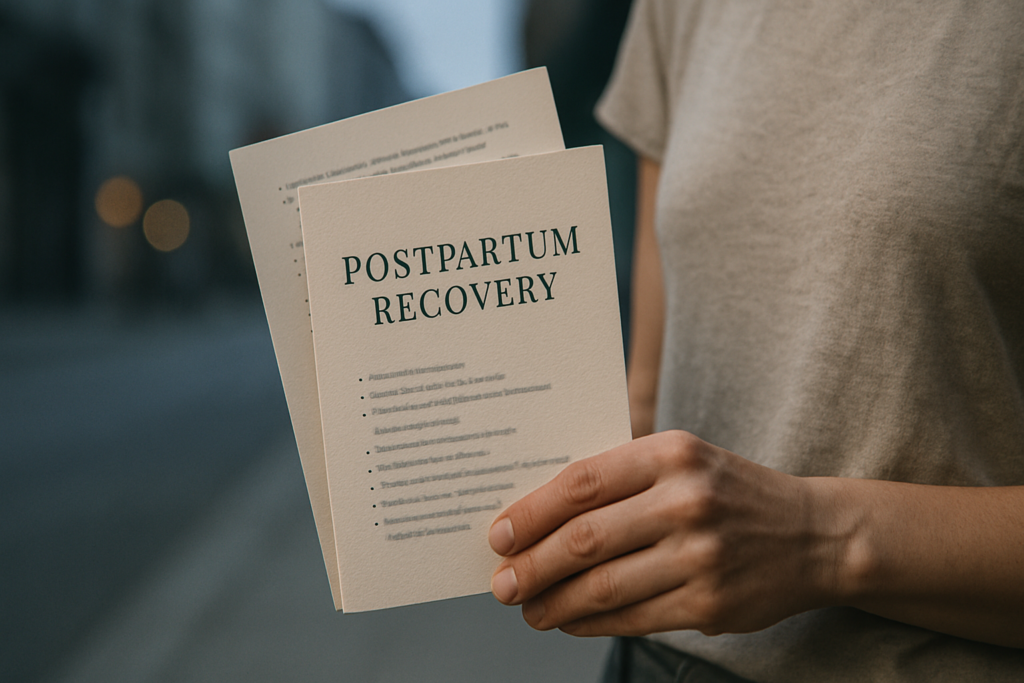
What the Fourth Trimester Actually Is
Most people treat childbirth like a finish line. In reality, it’s more like a starting point. The 12 weeks after birth what many call the “fourth trimester” are just as critical as the pregnancy that came before. It’s when a new mother’s body, brain, and identity go through intense shifts. But too often, the spotlight turns to the baby while mom fades into the background.
Physically, there’s healing: bleeding, hormonal crashes, sleep deprivation, and a body that’s still undergoing major changes. Emotionally, it’s even messier. The highs of new life meet the lows of overwhelm, isolation, or even grief. This is a time of rebuilding, not just recovery.
Understanding and respecting this season changes everything. It reframes the pressure to “bounce back” into a call to go slow, ask for help, and adjust without shame. When the fourth trimester is treated as part of the full journey not an afterthought mothers have more room to feel supported, seen, and stable in a world that moves too fast.
Healing the Body After Birth
No birth vaginal or cesarean leaves the body untouched. Post delivery, it’s normal to deal with bleeding (lochia), swelling, stitches, sore muscles, and a core that feels like it’s gone offline. If you tore, needed an episiotomy, or had a C section, healing can take longer not just days or weeks, but months. And that’s okay. There’s no prize for bouncing back fast.
What helps? Nothing complicated. Nutrient dense food, hydration, and as much rest as you can manage (even in short bursts) make a real difference. Add gentle movement when your care provider says it’s safe like walking or light stretching to keep blood flowing and muscles supported. And don’t rush the rebuild. Focus on function before fitness. Think: reconnecting with your breath, supporting your pelvic floor, and learning to trust your body again.
Set realistic expectations. Full recovery doesn’t mean you’re back to how you were it might mean you’re stronger but changed. Healing rarely follows a straight line. Give yourself space and time.
Learn more about post birth recovery.
Hormones in Flux

Right after childbirth, your hormones don’t just shift they swing. Estrogen and progesterone, which surged during pregnancy, drop off sharply. Oxytocin, known as the bonding hormone, climbs especially if you’re breastfeeding. It all happens fast, and your body feels it.
One minute you might be weeping at a diaper commercial, the next you’re riding a wave of joy just watching your baby breathe. Mood swings are part of the process. But it’s important to recognize the line between normal adjustment and postpartum depression. If the clouds don’t lift, or you feel numb, hopeless, or disconnected for days on end, it’s time to speak up. There’s support, and you don’t have to wait until things are “bad enough.”
Sleep or the lack of it complicates everything. Hormonal flux is hard on a rested body; pile on 2 a.m. feedings and you’ve got a cocktail for frustration. Breastfeeding can help regulate mood through oxytocin, but it isn’t magic. Emotional stability in this window takes awareness and grace, not just grit.
These hormonal changes don’t just affect how you feel. They can slow physical recovery, increase anxiety, change appetite, and affect memory (yes, “mom brain” is real). Understanding that it’s biological not weakness can help you make peace with the ups and downs. This isn’t about bouncing back. It’s about recalibrating, slowly and with support.
Support Systems That Make a Difference
The fourth trimester may feel like survival mode and sometimes it is. But one truth cuts through the fog: no one is supposed to do this alone. Asking for help isn’t indulgent. It’s a cornerstone of real recovery.
Partners, doulas, lactation consultants, mental health pros they’re more than optional add ons. They play essential roles in navigating the chaos, the hormones, the decisions. A partner’s support in those midnight hours, a doula’s calm presence during the first bath, a lactation consultant troubleshooting latch issues these people can mean the difference between feeling like you’re drowning and realizing you’re not alone in the water.
The key is building a network that feels solid and judgment free. This might mean leaning harder on a best friend, hiring a postpartum doula, or saying yes when your aunt offers to cook for a week. Choose people who listen more than they lecture. And ditch the myth of the lone wolf mom it’s outdated and unhelpful.
Thankfully, the culture is shifting. More parents are talking openly about postpartum depression. More health providers are normalizing therapy, pelvic floor rehab, and asking for help without shame. Transparency is becoming the norm, not the exception, and that’s a win for everyone.
Help isn’t weakness. It’s how you build strength.
Navigating Your New Normal
There’s no “back to normal” because everything’s different now. In the fourth trimester, your old routines don’t just bend they break. That’s not failure. That’s biology and bonding doing their thing. Every baby has their own rhythm, every day looks different, and you’re figuring it out in real time.
So forget what it looked like before. Clean laundry might sit in the basket. Meals might be whatever you can eat with one hand. That’s okay. Your new routine isn’t about control it’s about responsiveness. Let your baby guide the tempo and give yourself room to adjust expectations.
Self care can feel like a joke some days, but that doesn’t mean it’s optional. It’s not spa days or perfection. It’s five quiet minutes with coffee. A longer shower. Saying no to visitors. Small moments that protect your sense of self. You don’t have to earn that time it belongs to you.
Last thing: tune out the noise. Instagram, your cousin’s advice, the mom blog that says you’re doing it wrong none of those voices know your baby like you do. Comparisons steal your focus. Trust your instincts. You’re learning your child from the inside out. That counts for something.
This phase is messy. It’s also grounding. Redefine what success looks like, one raw, beautiful day at a time.
What Every New Mother Should Know
If you feel overwhelmed, foggy, or unlike yourself, that doesn’t mean you’re doing it wrong. It means your brain and body are hard at work rewiring. After childbirth, changes happen on a molecular level: neuron pathways shift, muscles rebuild, hormones recalibrate. That’s not failure. That’s adaptation.
Recovery doesn’t follow a clean curve. It might feel like two steps forward, one sleepy, weepy step back. And that’s normal. Healing isn’t just physical it’s mental and emotional. Expect days when everything clicks, and others where managing a shower feels like a win. Both count.
The most important reminder here: You’re not alone. From support groups to physical therapy, lactation consultants to mental health check ins, there’s help out there. You don’t have to tough it out solo.
Explore deeper guidance on post birth recovery—because information is powerful, and reassurance is part of recovery, too.
 Reginalita Leeons played a vital role in building the supportive environment that Motherhood Tales Pro is known for. With a strong background in wellness and outreach, she guided the development of resources that address the holistic needs of mothers. Her compassionate input ensured that every offering—from blog posts to wellness tools—felt thoughtful, inclusive, and empowering.